

Beyond the Suit: How to Choose and Pair the Right Tie to Enhance Your Look
In the architecture of masculine elegance, the suit represents the foundation and the structure, but it is the tie that defines the final aesthetic. Positioned at the exact center of the figure, framed by the jacket lapels and the shirt collar, the tie is the first element to attract the observer's gaze. It is the gentleman’s personal signature.
A bespoke suit of sublime craftsmanship can be severely undermined by an inadequately chosen accessory. Conversely, a tie selected with rigor and chromatic wisdom has the power to elevate the entire outfit, bestowing authority, dynamism, or prestige depending on the context. Let us examine the fundamental codes for mastering the art of the perfect pairing.
Proportions: The Rule of Visual Balance
The first evaluation criterion concerns geometry rather than color. The harmony of luxury classic menswear is based on an invisible dialogue between the different widths of the garments.
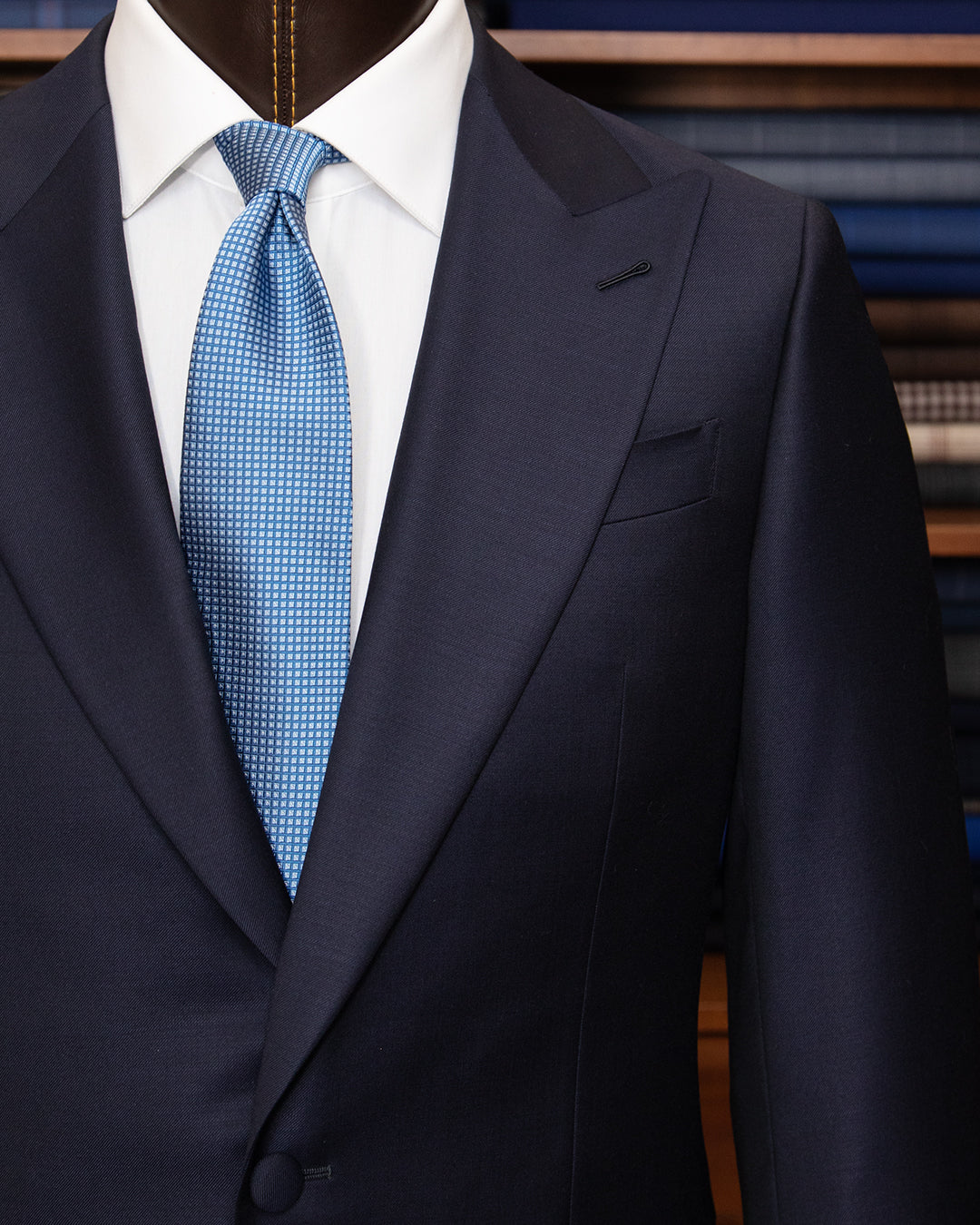
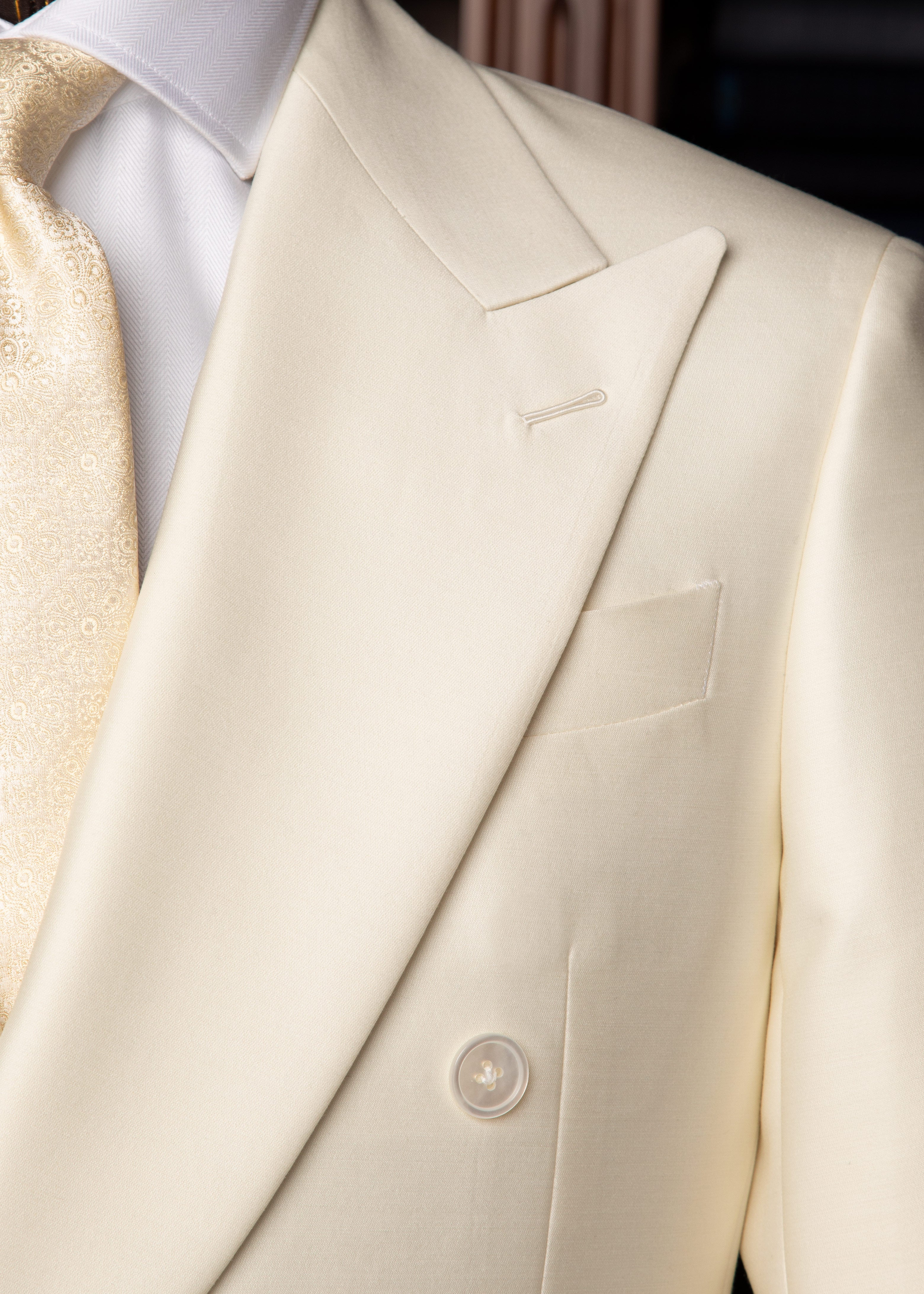
The golden rule of tailoring dictates that the width of the tie (at its widest point) must proportionally correspond to the width of the jacket lapels. Pairing an extremely thin tie (1960s style) with a jacket featuring wide peak lapels creates a jarring and disharmonious contrast. Length also obeys a strict mandate: once knotted, the tip of the tie should exactly touch the center of the belt buckle or the trouser waistband, without ever exceeding it or sitting too high above it.
Fabric: A Choice of Context and Seasonality
The tie must dialogue not only with colors but also with the "hand" and weight of the fabrics of the men's suit being worn. Seasonality and the degree of formality determine the fabric of choice:
- Silk (Twill or Jacquard): The absolute standard for formal business and ceremonial suits. Its natural luster bestows an aura of enduring prestige, perfect on worsted wool or cool wool suits.
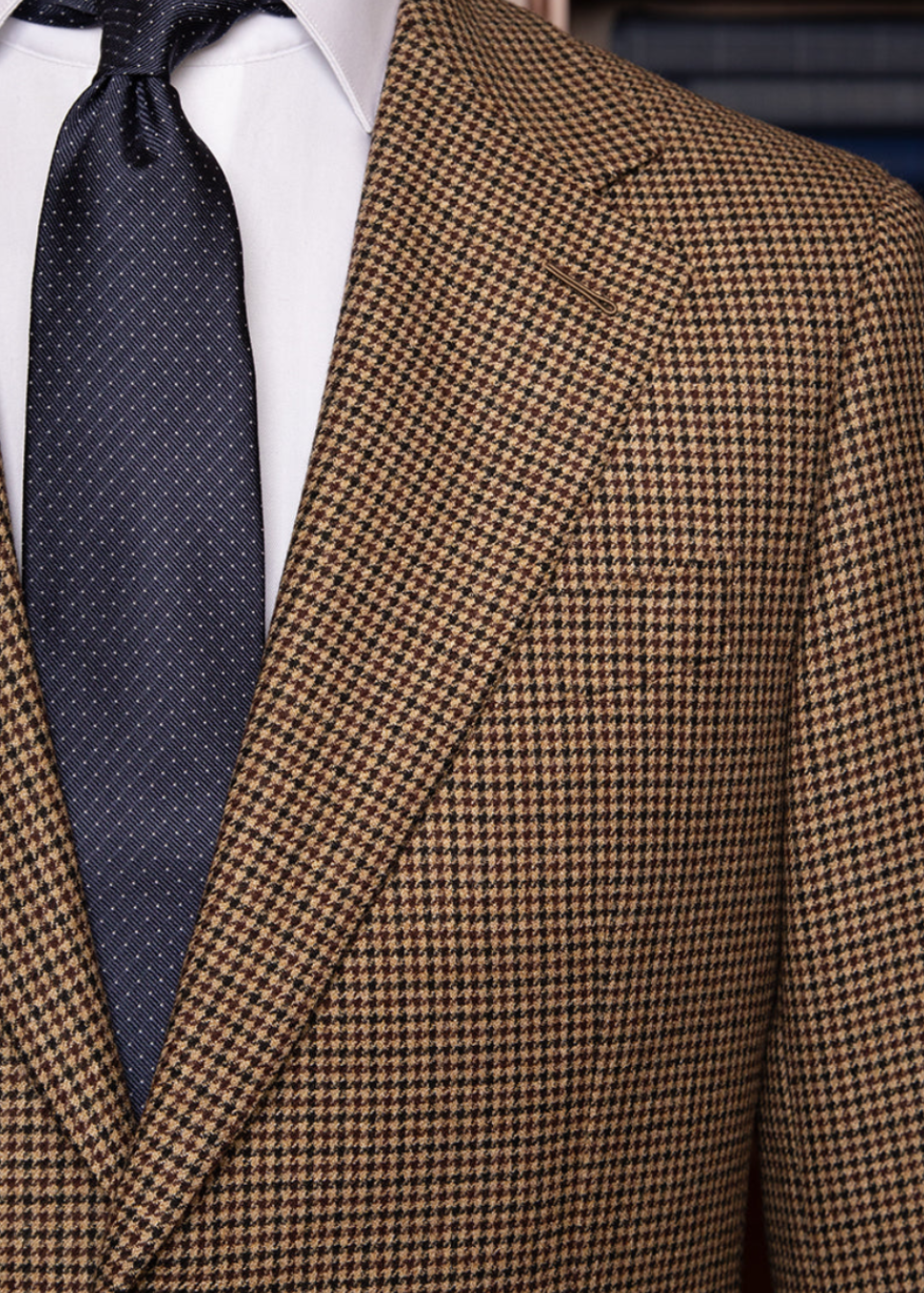
- Wool and Cashmere: Exclusive to the winter months, wool or cashmere ties feature a matte and full-bodied texture, ideal for visually balancing flannel suits or tweed jackets.
- Knit Silk or Linen: Perfect for deconstructing excessive formality. The silk knit tie (with its characteristic square bottom) or summer linen blends represent the quintessence of relaxed luxury (smart casual), excellent under single-breasted jackets with a sportier cut.
The Art of Pairing: Colors and Patterns
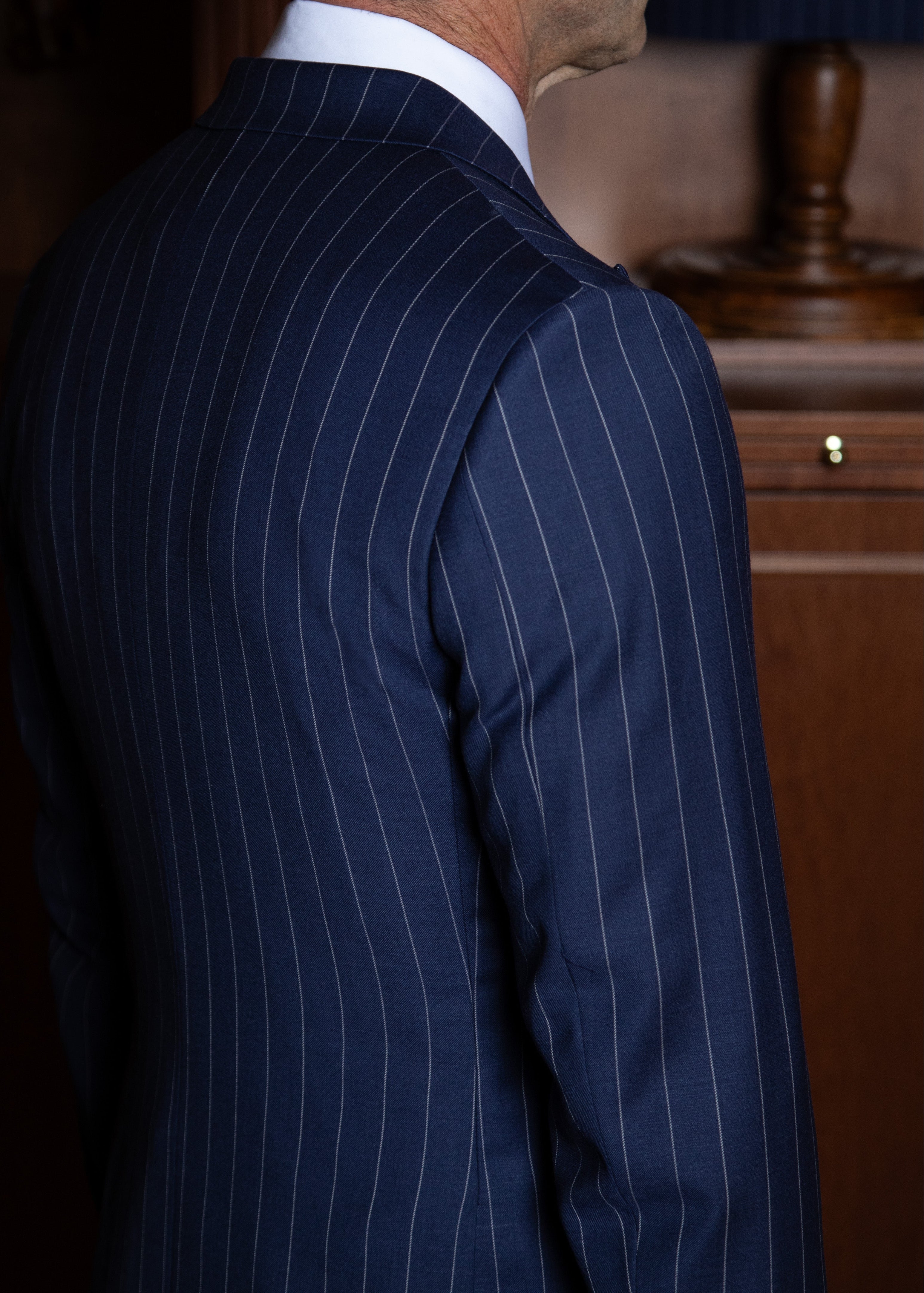
Selecting the correct pattern requires sensitivity and mastery of the scale of motifs. The fundamental rule for avoiding mistakes is to avoid overlapping patterns of the same size. If you are wearing a bespoke shirt with narrow stripes, the tie should be solid-colored or feature a pattern (such as dots or a Regimental stripe) that is significantly larger in size to avoid unpleasant optical effects.
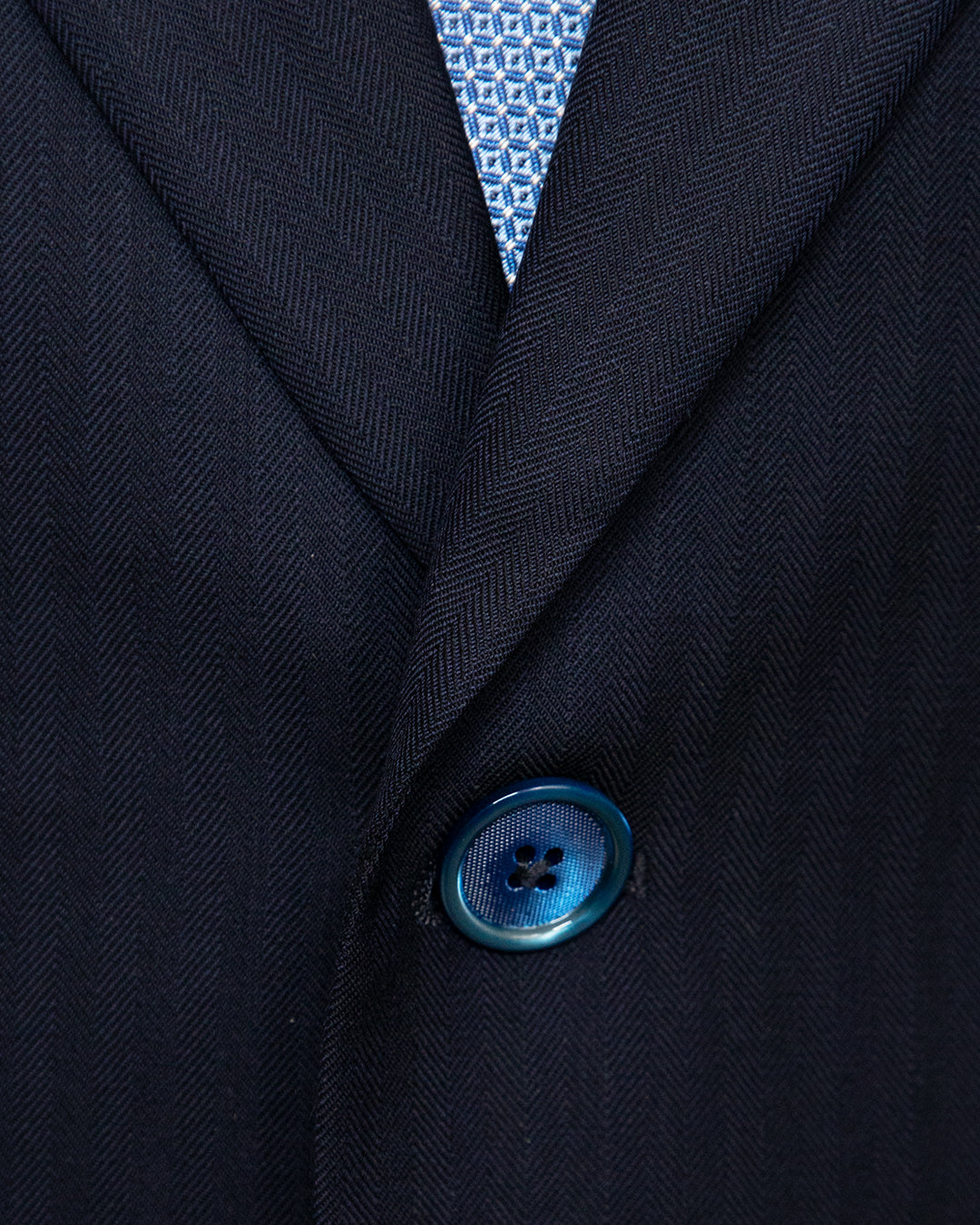
Regarding colors, tones of burgundy, forest green, and navy blue in solid colors (or with geometric micro-patterns) constitute the pillars of authority and pair impeccably with navy blue and charcoal grey suits.
The Final Seal: The Dalsarto Experience
At Dalsarto, we believe that building a successful image can never stop at the garment alone. The choice of accessories represents the moment when the client's identity merges with high artisanal tradition.
During our consultations in the atelier, the tie pairing is studied with the same dedication reserved for the cut of the jacket. We guide our clients toward selecting hand-finished accessories—such as the prestigious "seven-fold" ties—capable of guaranteeing a sculptural knot and an enviable drape. We invite you to discover our collection and complete your style by relying on an expert guide, ensuring that every detail of your wardrobe communicates excellence without compromise.